
Healthy Foods That Secretly Raise Your Blood Sugar
Some foods have a healthy reputation — but they can push your blood glucose up just as fast as sweets. This guide shows you what to look out for in plain, simple language.
Find Out More
Why Your Blood Sugar Rises After Eating
Every time you eat something with carbohydrates, your body breaks it down into glucose, which enters your blood. Foods that digest quickly cause a fast rise — what many people call a "spike".
The tricky part is that this does not only happen with cakes or soft drinks. A glass of fresh fruit juice, a bowl of granola or even cooked carrots can produce a similar effect. The reason is usually the same: these foods are low in fibre or high in natural sugars that absorb quickly.
This page is for general information and education only. Please always speak with your doctor or healthcare provider before making changes to your diet.
What Is the Glycaemic Index?
The glycaemic index (GI) is a simple scale from 0 to 100 that shows how fast a food raises blood glucose. The higher the number, the faster the rise.
GI 0–55
Low GI
Lentils, oats, most vegetables — slow, steady rise in blood sugar.
GI 56–69
Medium GI
Whole wheat bread, basmati rice — moderate effect, worth watching portion size.
GI 70–100
High GI
Fruit juice, dried fruit, white bread — fast spike, then often a sharp drop.
💡 Tip: Eating high-GI foods alongside fibre, protein or healthy fat slows down how fast sugar enters your blood — making the same meal much gentler on your body.
5 Common Foods That Surprise People
These foods are widely seen as healthy — but each one can push blood glucose up faster than most people expect.
Fruit Juice
Even freshly squeezed juice removes most of the fibre from fruit. What remains is liquid sugar that your body absorbs almost instantly — similar to a soft drink.
Dried Fruit & Dates
Raisins, dates and apricots are just concentrated sugar. A small handful contains as much sugar as several pieces of fresh fruit. They taste sweet for a reason.
Granola & "Healthy" Cereals
Many breakfast cereals marketed as wholesome are packed with honey, syrups and added sugars. Always check the label — the sugar content often rivals a dessert.
Low-Fat Flavoured Yoghurt
When fat is removed from yoghurt, sugar or starch is usually added to improve the taste. A small pot can contain 20 grams of sugar — more than many biscuits.
Honey & Natural Syrups
Honey, agave syrup and maple syrup are made of simple sugars. Despite being natural, they affect blood glucose in much the same way as ordinary table sugar.
Hidden Sugar Is Everywhere
The challenge is not just the obvious sweet things. Sugar hides in sauces, dressings, yoghurts and even savoury snacks. When it is labelled as maltose, dextrose or fructose, it can be easy to overlook.
Cooked starchy vegetables like potato, beetroot and carrot also behave differently to raw ones. Heat breaks down the starch, making it digest faster and raising glucose more quickly. This does not mean avoiding these foods — just being aware of portion sizes.
A good habit is to combine carbohydrate-rich foods with something that slows digestion — a portion of protein, a spoonful of healthy fat, or a side of leafy vegetables with fibre.
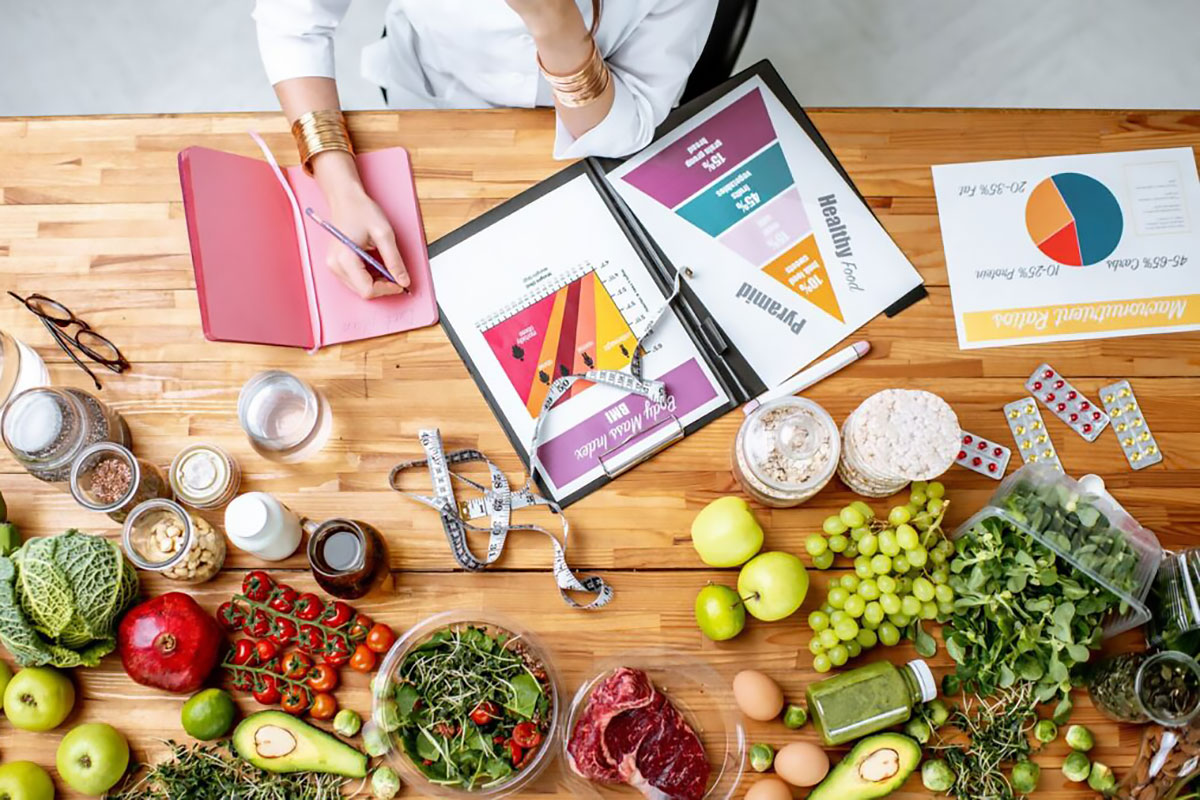
How to Keep Blood Sugar More Stable
Managing blood glucose is not about removing every carbohydrate from your plate. It is about understanding which foods raise it quickly, and building meals that slow the process down.
Whole fruits are generally much better than juices — the fibre slows down how the sugar is absorbed. Plain, full-fat yoghurt is a better choice than a flavoured low-fat version. And swapping large portions of white rice or bread for smaller portions alongside vegetables and protein makes a noticeable difference for many people.
Small changes in how you eat — not just what you eat — can have a real impact over time. This is general educational information. For guidance suited to your personal health situation, please consult a qualified healthcare professional.
What People Found Out
"I used to start every morning with a large glass of freshly squeezed orange juice because I thought it was the healthiest thing I could do. After reading about how juice spikes blood sugar, I switched to eating the whole orange instead. I feel much more steady in the mornings now."
— Priya M., Bangalore
"My doctor suggested I look into my diet after some routine blood tests came back higher than expected. I was shocked to find out that the granola I ate every day had as much sugar as a chocolate bar. Switching to plain oats with a few berries made a big difference."
— Rajan S., Chennai
"I always kept a bag of dates and raisins in my desk as a healthy snack. Learning that they are basically concentrated sugar was a real eye-opener. I now keep a small portion of mixed nuts and a piece of fresh fruit instead — and I am not as hungry an hour later either."
— Anita K., Mumbai
"I had no idea that low-fat yoghurt contained so much added sugar until I started reading labels properly. I had been buying it for years thinking I was making a sensible choice. Plain yoghurt with a few seeds tastes just as good and is far better for keeping my energy steady."
— Deepak N., Hyderabad
Want to Know More?
Get in Touch
Have a question about blood sugar, food or healthy eating habits? We are happy to point you in the right direction.
Email:
hello (at) nazojeb.icu
Phone:
+91 11 2634 7509
Address:
14, Connaught Place, New Delhi 110001, Delhi, India
Common Questions About Blood Sugar and Food
Is fruit bad for blood sugar?
Whole fruit is generally fine for most people because the fibre inside slows down how the sugar is absorbed. The problem is mainly with fruit juice, dried fruit and smoothies — where the fibre has been removed or broken down, leaving the sugar to absorb very quickly. Eating one or two pieces of fresh fruit with a meal is very different to drinking a large glass of juice on an empty stomach.
Does cooking vegetables change how they affect blood sugar?
Yes, it can. Cooking starchy vegetables such as potato, beetroot and carrot breaks down their starch into a form that digests faster. A raw carrot has a fairly low GI, but a cooked one is much higher. This does not mean you need to eat only raw vegetables — just keep portion sizes reasonable and eat them alongside other foods that slow digestion down.
Is honey better than sugar for blood glucose?
Not in any meaningful way. Honey is natural and contains small amounts of vitamins and minerals, but it is still made mostly of glucose and fructose. When you eat honey, your blood sugar rises in a very similar way to when you eat ordinary sugar. Agave syrup and maple syrup work in the same way. Using any of these in large amounts will affect your blood glucose.
Is the information on this page medical advice?
No. Everything on this site is for general educational purposes only and should not replace advice from a qualified doctor or healthcare professional. Individual needs vary a great deal depending on health conditions, medications and many other factors. Please speak with your own doctor before making significant changes to your diet.